

How to Compare Cellphones for Digital Content Creation
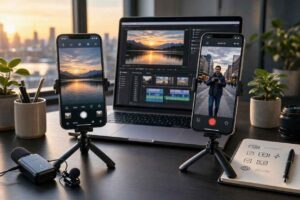 Digital content creation has become an important part of how people communicate, share ideas, and build their presence online. From short videos and product photography to educational posts and live streams, creators rely on technology to produce content that attracts attention. Among the many tools available, cellphones have become one of the most practical choices for creating professional-looking digital content.
Modern smartphones offer advanced cameras, powerful processors, editing applications, and reliable internet connectivity. These features allow creators to produce and publish content without investing in expensive equipment. However, not every cellphone delivers the same experience. Some devices offer better video quality, while others provide longer battery life, stronger performance, or more storage.
Knowing how to compare cellphones through CompareCelular helps creators choose a device that supports their creative goals. Rather than focusing only on popular brands or attractive designs, it is important to understand which features matter most for daily content production.
Why Choosing the Right Cellphone Matters for Content Creators
A cellphone is more than a communication device for someone who regularly creates digital content. It can serve as a camera, editing workstation, recording tool, and publishing platform. Having these functions in one device makes content production more convenient, especially for creators who work independently.
For example, a travel content creator may need a smartphone that captures clear videos while walking outdoors. A food blogger may prioritize accurate colors and detailed close-up photographs. Meanwhile, someone producing educational videos might need reliable audio recording and enough processing power to edit longer clips.
These different needs explain why creators should compare cellphones before making a purchase. A smartphone with impressive specifications may not necessarily be the best option for every type of content.
Camera quality is often the first feature people consider. However, the number of megapixels does not tell the whole story. Image processing, sensor size, lens quality, and stabilization also affect the final result. A cellphone with fewer megapixels can sometimes produce better photographs than one with a higher advertised resolution.
Video performance is equally important. Many creators produce content for platforms such as YouTube, TikTok, Instagram, and Facebook. Smooth footage, consistent exposure, and dependable autofocus can make videos look more professional.
Another important consideration is ease of use. A device that offers simple camera controls and an organized editing experience can save valuable time. This allows creators to focus on storytelling rather than dealing with technical difficulties.
The right cellphone should support the creator’s workflow. It should make capturing, editing, and sharing content easier without introducing unnecessary complications.
Important Features to Compare When Choosing a Cellphone
Camera performance deserves careful attention when evaluating smartphones for digital content creation. Creators should examine sample photographs and videos taken under different lighting conditions. Outdoor scenes, indoor environments, and nighttime recordings can reveal how consistently a camera performs.
Optical image stabilization is particularly useful for handheld recording. It helps reduce unwanted movement and produces smoother footage. Good autofocus is another advantage, especially when filming moving subjects or recording videos without assistance.
Video resolution and frame rates also influence creative possibilities. Recording in 4K can provide additional detail, while higher frame rates can help produce smooth slow-motion footage. However, these features require more storage and may increase battery consumption.
Processing power is another major factor. Video editing applications can place heavy demands on a smartphone, particularly when handling high-resolution footage. A capable processor and sufficient memory help maintain smooth performance when trimming clips, applying effects, and exporting finished videos.
Storage capacity should not be overlooked. Photos, videos, editing projects, and downloaded assets can quickly occupy available space. Creators who regularly record high-quality videos may benefit from choosing a device with larger internal storage.
Battery life is especially important for people who create content outdoors or during events. Recording videos, using navigation, editing footage, and uploading files can drain a battery quickly. Comparing battery performance under real working conditions provides a better understanding of what to expect.
Display quality can also influence editing decisions. A bright screen with accurate colors helps creators review their photographs and videos more effectively. This is particularly useful when adjusting exposure, checking details, or preparing visual content for publication.
Audio recording deserves attention as well. Clear sound improves interviews, tutorials, and spoken presentations. While built-in microphones can handle basic recordings, compatibility with external microphones offers greater flexibility.
Finally, creators should consider software support and application compatibility. A smartphone that receives regular updates and supports popular editing tools can remain useful for several years.
How to Find the Best Cellphone for Your Content Creation Needs
Choosing a smartphone becomes easier when creators begin by identifying the content they produce most frequently. Different creative activities place different demands on a device.
For photography-focused creators, image quality, lens options, and color accuracy may be the highest priorities. Those who mainly produce short-form videos should pay closer attention to stabilization, autofocus, recording quality, and editing performance.
Creators who frequently travel may value battery endurance, portability, and reliable connectivity. Meanwhile, people who work primarily from home may prefer a larger display and stronger processing capabilities for editing.
Budget is another essential consideration. Premium smartphones often include advanced features, but mid-range devices can also provide excellent results for everyday content production. The goal should be finding the best balance between performance, usability, and cost.
When comparing options, creators should look beyond promotional specifications. Independent camera samples, detailed reviews, and practical performance tests can reveal strengths and weaknesses that advertisements may not explain.
It is also helpful to consider the complete production setup. A reasonably priced smartphone paired with good lighting, a stable tripod, and an external microphone may deliver better results than an expensive device used without proper preparation.
Accessories can improve flexibility without requiring a major investment. Simple equipment can make recording more comfortable and help maintain consistent quality across different projects.
Creators should also think about their future requirements. Someone beginning with photographs may eventually explore video production, live streaming, or more advanced editing. Choosing a cellphone with enough performance and storage can make that transition easier.
Another useful approach is testing devices in person whenever possible. Checking camera controls, screen brightness, grip, and general responsiveness can reveal whether a phone feels comfortable during regular use.
Successful digital content creation depends on more than owning advanced technology. Creativity, planning, storytelling, and consistency remain essential to producing engaging material.
A carefully selected cellphone simply makes those activities easier. By understanding their needs and comparing practical features, creators can invest in a device that supports both current projects and future opportunities.
The best smartphone is not always the newest or most expensive model. It is the one that allows its user to create quality content confidently, efficiently, and consistently.
Recent smartphone buying guides also support comparing real camera performance, stabilization, audio, and storage instead of relying on megapixel counts alone.